
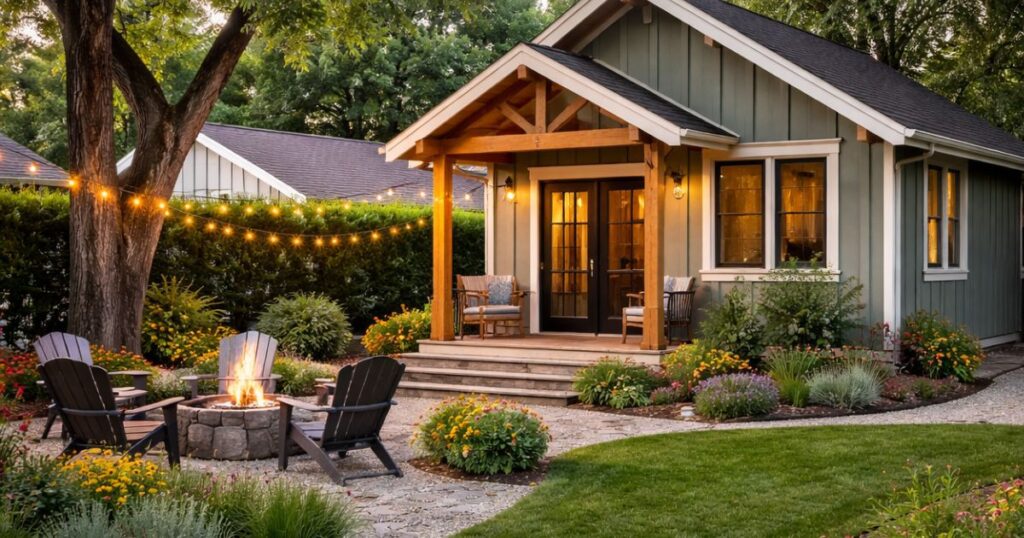
Boise has a way of growing on you. Great foothills access, strong neighborhoods, and a lifestyle that makes people want to stay put—even when the house starts to feel tight. When homeowners tell us they need more room, the first ideas are usually a bigger remodel, an addition, or moving. But there’s another option that can be surprisingly elegant: converting the garage into an ADU.
A garage-to-ADU conversion can create a rental suite, a private place for family, or a flexible guest space that feels like a real home—not a “converted garage.” The difference comes down to planning: zoning, layout, utilities, and design choices that respect the style of your home and neighborhood.
READ: The Upside of ADUs: How Idaho Homeowners Are Creating Space and Income
How to Convert a Garage to an ADU? Step-by-Step Guide
Step 1: Confirm zoning and whether your property qualifies
Before we sketch layouts, we confirm where you are (City of Boise limits vs. Ada County rules can differ) and what your zoning allows. Boise provides ADU standards by zone and a quick-reference ADU handout that outlines core limits like maximum size and bedroom count.
Step 2: Decide “attached conversion” vs. rebuild/expansion
Most garage ADUs fall into one of these categories:
- Straight conversion: keep the slab, walls, and roofline; upgrade everything to living-space standards.
- Conversion + bump-out: keep the core structure but expand to make the layout work (common when you want a true one-bedroom).
- Rebuild: if the existing garage is structurally tired, poorly sited, or too small to meet your goals, rebuilding can be cleaner long-term.
Step 3: Build a realistic budget and timeline
Garage ADUs are real construction projects—kitchen, bath, insulation, HVAC, windows, drywall, finishes, plus permitting and inspections. Setting a realistic range early prevents “designing past the budget,” which is one of the most common causes of stress later.
Step 4: Create a code-compliant layout (kitchen, bath, entry, egress)
A great ADU plan does three things at once:
- It functions beautifully day-to-day.
- It meets building safety requirements (especially emergency egress and bathroom ventilation).
- It “reads” like a home, not a garage.
Step 5: Plan utilities (water, sewer, electrical, HVAC)
Utilities are where garage conversions become either smooth…or expensive.
- Where will plumbing tie in?
- Can the electrical panel support the new load?
- What’s the best HVAC approach for Boise’s hot summers and cold snaps?
Step 6: Design the exterior so it looks like it belongs
This is where craftsmanship and design taste show up. Replacing the garage door with thoughtfully sized windows, a real entry, proper trim details, and cohesive materials can make the ADU feel original to the home.
Step 7: Pull permits, schedule inspections, and finish strong
Boise’s homeowner guide makes it clear that finishing a garage into living space typically requires permits, and some neighborhoods (historic districts) may involve additional approvals before you even apply.
Why Boise Homeowners Are Converting Garages into ADUs
More flexibility without moving
Boise neighborhoods have personality—North End charm, Bench practicality, East End views, the mature trees in the older pockets of town. If you like your location, a garage ADU can solve the space problem without giving up the neighborhood.
Rental income and long-term value
An ADU can help offset a mortgage, fund future renovations, or simply make the property more adaptable. Even if you don’t plan to rent right away, building flexibility into the property is a smart long-game move.
Multigenerational living (without giving up privacy)
Many families want to support aging parents or welcome adult kids home—without turning the main house upside down. A well-designed ADU gives everyone breathing room and dignity.
A smart use of underutilized space
A lot of garages in Boise function as storage more than parking (especially with outdoor gear, bikes, and seasonal items). Converting the garage forces a “storage reset,” and it can create meaningful living space with a smaller footprint than a full addition.
Boise ADU Basics You Need to Know
City of Boise vs. Ada County: which jurisdiction are you in?
If your home is inside Boise city limits, Boise zoning and building processes apply. If you’re in an unincorporated area, Ada County rules may govern. Ada County specifically addresses secondary dwellings, including the possibility of converting an existing garage, with size limits and requirements that can differ from Boise.
Size, bedrooms, and how the 900 sq ft limit affects garage conversions
Boise’s published ADU handout notes a maximum ADU size of 900 square feet or 70% of the primary home’s floor area (whichever is smaller), with no more than two bedrooms.
Local reporting has also noted that Boise’s zoning changes increased the allowable ADU size compared to prior limits—one reason ADU interest has climbed.
What this means in plain terms:
- If your garage is a standard 2-car footprint, you may be close to workable size, but layout efficiency matters a lot.
- If you want two bedrooms, the plan has to be tight and intentional—no wasted hallways, no oversized bathrooms, no awkward kitchen placement.
Parking and access considerations
Even when parking isn’t the headline constraint, practical access still matters:
- A clear, well-lit path to the ADU entry
- Snow and ice considerations in winter
- Privacy from the main house and neighbors
We treat these as design problems, not afterthoughts—because they impact livability and long-term satisfaction.
If you live in a historic district (North End, Warm Springs, etc.)
Boise’s homeowner guide notes that in historic districts, you may need a Certificate of Appropriateness for certain exterior changes (like windows or siding), and it must be obtained before applying for a building permit or starting work.
If your garage faces the street or is visually prominent, we design the exterior updates to respect the neighborhood character while still making the ADU feel fresh and intentional.
Planning Your Garage-to-ADU
The “golden rules” of small-space planning
In a garage ADU, every inch needs a job. Our go-to principles:
- Stack plumbing whenever possible (kitchen and bath near each other)
- Keep circulation simple (avoid long corridors)
- Use borrowed light (interior transoms, glass doors, smart window placement)
- Build in storage so the space stays calm
Studio vs. one-bedroom vs. two-bedroom: what actually works in a garage
- Studio: best for smaller garages or when you want the most open, airy feel.
- One-bedroom: the sweet spot for comfort and rental desirability—if the footprint allows it.
- Two-bedroom: doable in some cases, but it requires very disciplined planning and often benefits from a bump-out.
Storage, laundry, and everyday livability
This is where garage conversions either feel “finished” or feel improvised:
- A real coat/utility closet
- A dedicated pantry cabinet
- Laundry planning (even a compact stack can be a game-changer)
- A place for shoes (Boise winters make that non-negotiable)
Boise climate comfort: insulation, windows, and efficient heating/cooling
Garages are typically under-insulated compared to living areas. A comfortable ADU usually requires:
- Better wall and roof insulation
- Air sealing
- High-quality windows/doors
Then we choose HVAC based on layout and efficiency goals—often prioritizing consistent comfort during smoky summer days and colder winter weeks.
Utilities and Structure
Slab and floor height: what we check first
Garages often have:
- A slab that slopes to a drain
- Step-downs from the house
- Less moisture protection than living areas
We evaluate whether the slab needs leveling, moisture mitigation, or a new floor system.
Framing, rooflines, and creating real wall depth for insulation
Many garages weren’t framed with “comfort” in mind. Sometimes we need to adjust framing, add depth, or improve roof ventilation so the finished space performs like a home.
Plumbing routes and sewer tie-ins
Plumbing is usually the biggest technical cost variable. The cleanest solutions typically:
- Minimize trenching
- Use logical fixture placement
- Keep serviceability in mind (future you will be grateful)
Electrical upgrades, panels, and dedicated meters
We confirm capacity early. If the main panel is near its limit, it’s better to plan for an upgrade than to discover the constraint mid-project.
Ventilation and moisture control (especially for bathrooms and kitchens)
A bathroom without proper ventilation becomes a mold problem waiting to happen. We design ventilation as part of the full system—bath fan placement, duct routing, make-up air considerations, and kitchen exhaust strategy.
Permits, Timeline, and What to Expect During Construction
Boise explicitly lists finishing a garage to create living space as work that typically requires permits.
Permits protect you: they enforce safety standards, help prevent expensive mistakes, and provide documented value when you sell.
Inspection milestones you can plan around
While each project differs, most garage ADUs follow this rhythm:
- Framing/rough-in approvals
- Insulation
- Drywall
- Final inspections and closeout
How to reduce delays (design decisions, material lead times, neighbors)
The fastest projects aren’t rushed—they’re decided. The biggest schedule savers:
- Finalize the layout before permitting
- Make selections early (tile, plumbing fixtures, cabinets)
- Communicate with neighbors if access/parking will be affected
Living on-site during construction: what’s realistic
If the garage is attached, we plan for:
- Dust control
- Clear work hours
- Safe pathways and staging
The goal is to keep your day-to-day life functional while the build happens.
Cost to Convert a Garage to an ADU in Boise
Typical cost ranges and what drives them
Costs vary widely based on:
- Utility complexity (especially plumbing)
- Condition of the existing garage
- Finish level (basic rental-grade vs. high-end)
- Whether you need structural changes or expansion
Where it’s worth spending (and where it isn’t)
Worth it:
- Windows/doors (comfort + curb appeal)
- Insulation and air sealing (year-round livability)
- Kitchen layout and storage (daily function)
Be careful with:
- Overly custom built-ins in a tiny footprint
- Trendy finishes that don’t match the neighborhood or rental market
ROI basics: rental rates, resale, and flexibility
We like to frame ROI as options:
- Rent it now
- Use it for family later
- Convert it into a home office, guest suite, or studio
A well-designed ADU keeps doors open.
Common Garage-to-ADU Mistakes (And How We Help You Avoid Them)
Underestimating code requirements (egress, fire separation, ceiling height)
A garage isn’t built like a bedroom—so we treat code compliance as a design input from day one, not a last-minute correction.
“Pretty plans” that don’t permit well
Renderings are fun. But the plans have to permit cleanly and build efficiently. Our approach balances design with real-world execution.
Poor soundproofing and privacy
Sound transfer is one of the fastest ways to make an ADU feel cheap. We plan for sound control in walls, floors (when applicable), and around mechanical systems.
Forgetting storage and real-life function
A beautiful ADU that can’t handle coats, cleaning supplies, and daily clutter won’t feel relaxing. We design the “unsexy” parts on purpose.
If your garage is underused and you want more flexibility—rental income, family space, or a future-proof property—converting it into an ADU can be one of the most rewarding remodels you do. The key is treating it like a real home from the start: smart layout, solid building science, and design choices that feel natural for Boise.
If you’d like a professional opinion on what your garage can realistically become, Renaissance Remodeling can help you evaluate feasibility, budget range, and layout options—then map a clear plan from permitting through finish selections.