
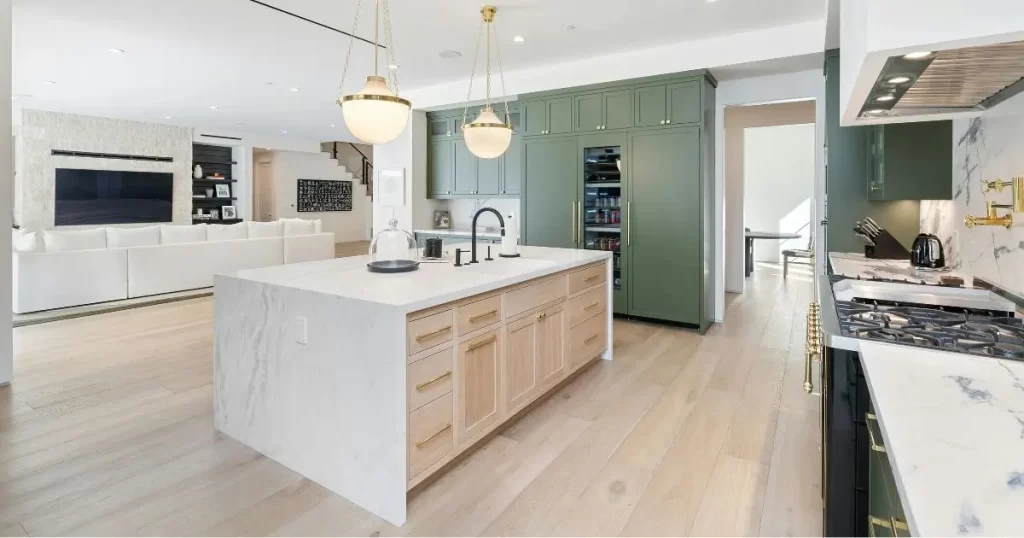
Open-concept kitchens have been a defining feature of home design for over two decades, offering wide, airy spaces where cooking, dining, and living blend seamlessly together. For Boise homeowners, the style became especially popular as families sought more connection—whether that meant keeping an eye on the kids while cooking or hosting friends without feeling tucked away in a separate room.
But as we move further into 2025, some homeowners are beginning to question whether the open-concept layout is still the best choice. Lifestyle shifts, new design trends, and practical considerations like energy efficiency are reshaping how we think about kitchen spaces.
At Renaissance Remodeling, we believe the answer isn’t one-size-fits-all—it’s about balancing beauty, function, and how you truly live in your home. Before committing to a major remodel, it’s worth taking a closer look at what’s changed, what still works beautifully, and what new possibilities exist for modern kitchen layouts in Boise.
The Evolution of the Open-Concept Kitchen
How the Trend Took Off in the Early 2000s
The open-concept kitchen rose to prominence in the early 2000s, when homeowners began removing walls to create large, connected spaces. This approach reflected a growing desire for informal, flexible living—perfect for busy households and frequent entertaining. In many Boise homes built during the 80s and 90s, the transformation meant knocking down barriers between small, compartmentalized rooms to create one cohesive space.
At the time, the appeal was undeniable: more natural light, improved sightlines, and a modern, social feel. For families, it made multitasking easier—parents could cook dinner while helping with homework or watching TV in the adjoining space. For entertainers, it made every gathering feel bigger, warmer, and more inviting.
Shifts in Design Priorities After 2020
The pandemic years brought an unexpected twist to home design. Suddenly, homes needed to serve as offices, classrooms, gyms, and more. The open-concept kitchen—once celebrated for its versatility—sometimes made it harder to find quiet, private corners. This sparked renewed interest in layouts that could offer both connection and separation when needed.
Boise homeowners, in particular, began exploring semi-open concepts or creative zoning, where partial walls, sliding panels, or furniture placement helped define spaces without closing them off entirely.
What’s Driving Today’s Kitchen Layout Decisions
In 2025, decisions about open versus closed kitchens are influenced by a mix of aesthetics, lifestyle needs, and home value. Buyers still love a bright, connected kitchen, but they also appreciate thoughtfully designed boundaries. Energy efficiency, storage solutions, and a home’s architectural style—whether it’s a North End bungalow or a Foothills modern—play an equally important role.
Benefits of an Open-Concept Kitchen in 2025
Seamless Entertaining for Boise’s Social Lifestyle
Boise is a city that loves community. From weekend farmers’ markets to neighborhood barbecues, gatherings are a big part of the local lifestyle. An open-concept kitchen supports that spirit perfectly. By blending the kitchen, dining, and living areas, you can prepare food while staying part of the conversation. Guests aren’t isolated to one room, and the energy flows freely—making it easier for everyone to mingle and enjoy themselves.
For homeowners who love to host game nights, wine tastings, or holiday dinners, the open layout keeps the cook in the center of the action rather than tucked away. Even small updates, like adding a large island with bar seating, can make a big difference in creating an inviting, social atmosphere.
Maximizing Light and Mountain Views
Boise’s natural beauty is one of the city’s greatest assets, and an open-concept design takes full advantage. Without interior walls blocking the line of sight, natural light travels deeper into the home, and you can enjoy views of the Boise Foothills or your backyard garden from multiple angles.
In neighborhoods like Harris Ranch or the North End, where large windows and sliding doors are common, an open kitchen can help create a true indoor-outdoor connection—perfect for summer evenings when the doors stay open to let in fresh air.
Creating a Spacious Feel in Smaller Footprints
Not every home in Boise boasts a sprawling floor plan. In many mid-century ranches or older homes, space is at a premium. Removing barriers between the kitchen and living area can make the entire main floor feel larger, even if you don’t add any actual square footage.
For families with growing kids or homeowners who love a clean, airy look, this openness can make daily life feel less cramped and more comfortable.
READ: The Details That Make a Kitchen Remodel Feel Custom
The Challenges to Consider
Noise and Cooking Smells in a Shared Space
One of the main trade-offs with an open kitchen is that sounds and smells travel freely. While it’s great for conversation, it also means the sound of a blender or the smell of last night’s fish dinner might linger in your living room. For some Boise households, especially those that entertain often, this might not be an issue. For others, it’s a key factor in deciding whether to keep or close off the kitchen.
Balancing Openness with Storage Needs
Removing walls often means losing cabinetry. In a traditional closed kitchen, wall space doubles as storage space—something every cook values. With an open-concept design, you’ll need to plan for creative storage solutions, like deep drawers in the island, floor-to-ceiling pantry cabinets, or even a hidden butler’s pantry.
Energy Efficiency and Heating in Open Layouts
Boise winters can be chilly, and large open spaces can sometimes be harder to heat efficiently. Without walls to contain warmth, you may find your HVAC system working harder. Zoned heating systems, better insulation, and strategic ceiling fans can help, but it’s worth discussing with your remodeler before committing to an open design.
New Design Solutions for Modern Open Kitchens
Zoned Layouts for Defined Spaces
In 2025, “open” doesn’t have to mean “everything blends together.” Many Boise homeowners are embracing zoned layouts—subtle design techniques that maintain openness while giving each area its own identity. Changes in flooring material, ceiling treatments like beams or dropped soffits, and furniture arrangement can visually separate spaces without closing them off.
For example, a kitchen might have a tiled floor that transitions to hardwood in the living room, or a coffered ceiling above the dining area to give it definition. These details help a large space feel intentional rather than overwhelming.
Statement Islands as Functional Centerpieces
The kitchen island has become the anchor of the open-concept design, and in 2025, it’s more than just a prep surface. Oversized islands can incorporate seating for six, double as a casual dining spot, or include built-in wine storage and secondary sinks.
In Boise, where many homes feature mountain or backyard views, a well-placed island can frame that scenery beautifully while providing a central hub for cooking, working, and socializing. Custom cabinetry finishes, waterfall countertops, and pendant lighting make the island a true statement piece that elevates the entire space.
Integrating Hidden Storage and Pantry Space
One of the biggest evolutions in open kitchen design is the rise of hidden storage. Butler’s pantries, walk-in pantries, or even cleverly concealed cabinets keep clutter out of sight while keeping the main kitchen area sleek and open.
This is especially appealing for Boise homeowners who like to entertain but prefer not to have prep mess on display. A small secondary kitchen space—sometimes called a “mess kitchen”—can be tucked behind the main wall, giving you the best of both worlds.
How Boise Home Styles Influence the Decision
Updating Mid-Century and Ranch Homes for Modern Flow
Boise’s mid-century and ranch-style homes often have compartmentalized main floors with smaller kitchens. Opening up the layout can transform these homes, making them feel brighter and more connected. However, careful structural planning is required to maintain the home’s integrity and create a natural flow between rooms.
For many of these homes, removing one or two walls and adding a large island is enough to dramatically change the feel without losing all sense of separation.
Preserving Charm in Historic North End Properties
The North End’s historic homes are beloved for their character—wood trim, original built-ins, and cozy proportions. In these properties, a full open-concept might not be the best choice if it risks erasing those details. Instead, a semi-open approach can preserve charm while improving functionality.
Strategic wall openings, widened doorways, or glass-paneled partitions can keep spaces visually connected while respecting the home’s historic style.
Blending Indoor-Outdoor Living in Foothills Homes
Foothills properties often boast stunning views and easy backyard access. An open-concept kitchen that connects to a deck or patio can maximize that lifestyle. Large sliding or folding doors, combined with a spacious, open kitchen, create an entertainer’s dream—perfect for summer evenings and year-round appreciation of the scenery.
Making the Right Choice for Your Remodel
When an Open Concept Makes the Most Sense
An open-concept kitchen works best for households that prioritize togetherness and hosting. If your home is the go-to spot for holidays, or if you love having friends over for dinner while you cook, the openness will be a daily benefit. It’s also ideal if you want to bring in more natural light or take advantage of views from multiple vantage points—especially in Boise neighborhoods where scenery is part of the home’s appeal.
Signs You Might Benefit from a Semi-Open or Closed Plan
If you prefer quieter, more contained spaces for cooking or working from home, a semi-open or closed plan may be a better fit. This layout can help manage noise, conceal messes, and create more storage opportunities. Many Boise homeowners find that combining open areas with a few strategically placed walls strikes the perfect balance.
How to Plan the Transition with a Professional
Shifting to an open—or partially open—kitchen is more than just knocking down a wall. It requires structural evaluation, electrical and plumbing adjustments, and a careful eye for design flow. At Renaissance Remodeling, we walk you through the process step-by-step, considering your lifestyle, home’s architecture, and long-term needs before making recommendations.
READ: How to Find the Best Kitchen Remodeler for You
Work With a Design-Driven Remodeling Partner
Renaissance Remodeling specializes in creating kitchens that are as functional as they are beautiful. Our team blends design expertise with meticulous craftsmanship, ensuring your kitchen layout works for your life now and well into the future.
Whether we’re opening up a mid-century ranch, enhancing a Foothills view, or preserving the charm of a North End home, our process is collaborative from start to finish. We listen closely, present thoughtful options, and execute with precision—so you can enjoy a space that feels like it was always meant to be that way.
In 2025, the open-concept kitchen is far from outdated—but it’s no longer a default choice. Instead, it’s one of several smart options, each with its own strengths. The right layout depends on your home’s architecture, your lifestyle, and the way you envision using your space every day.
Whether you choose fully open, semi-open, or something in between, the most important factor is creating a kitchen that feels natural, functions beautifully, and reflects your style. With the right remodeling partner, you can have a space that’s not just current for 2025, but timeless for decades to come. Contact us today to start remodeling your kitchen!