
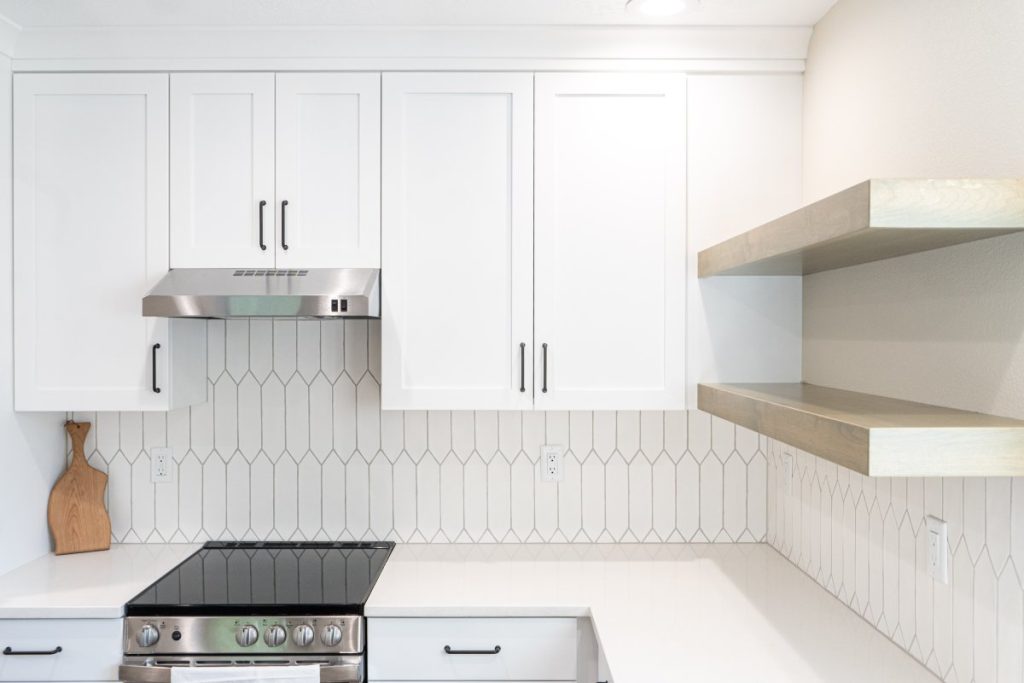
A countertop isn’t just a surface. In most Boise homes, it’s the workhorse of the kitchen and one of the first details people notice when they walk in. It needs to stand up to weeknight dinners, weekend entertaining, and real-life messes—without turning your kitchen into a “high-maintenance” space that constantly needs babying.
At Renaissance Remodeling, we help clients across Boise, Meridian, Eagle, and the Treasure Valley choose countertop materials that look beautiful and hold up for the long run. The best choice isn’t always the most expensive option—and it’s rarely the one that looked perfect under showroom lights but doesn’t match your daily life.
Start with how you use your kitchen (not what’s trending)
Before you compare quartz vs. granite vs. marble, take a quick inventory of your kitchen habits:
- Do you cook often or mostly reheat and assemble?
- Do you entertain regularly (holiday spreads, charcuterie, buffet-style serving)?
- Do you have kids who treat the island like a homework desk and snack bar?
- Do you want a statement countertop… or a quiet, timeless background?
When you lead with lifestyle, you naturally narrow down to materials that make sense—then we can focus on the fun part: color, movement, edges, and how everything fits your cabinets, floors, and lighting.
Align your choice with Boise living (four seasons, busy schedules, active households)
Boise homeowners tend to use kitchens hard. We see a lot of:
- Open-concept kitchens that connect to living spaces (meaning the countertop is always on display)
- Indoor-outdoor entertaining in warmer months (more prep, more serving, more traffic)
- Busy weekday routines where easy cleanup matters
- Warm, livable design styles—modern farmhouse, updated Craftsman, foothills contemporary—where materials need to feel authentic
That’s why “durable and easy” often wins here. Not boring—just smart.
The “good-better-best” mindset (and why it keeps budgets sane)
Countertops can swing widely in cost depending on material, thickness, edge profile, layout, and fabrication complexity. The best approach is to decide what you’re optimizing for:
- Low maintenance (wipe-and-go)
- Durability (scratch/chip/heat resistance)
- Natural beauty (unique movement and veining)
- Warmth (a softer, more inviting feel)
- ROI and resale confidence (strong buyer appeal in Boise)
Once you decide your priorities, the “right” material usually becomes obvious—especially when you see samples next to your cabinet and flooring selections.
Kitchen Countertop Materials Explained: Pros, Cons, Cost, and Best Uses
Below is a clear, homeowner-friendly breakdown of today’s most common countertop materials we install in kitchen renovations across Boise. Costs vary by brand, thickness, layout, and fabrication, so treat these as general ranges and decision guidance—not a quote.
Quartz countertops (engineered stone)
Why Boise homeowners love it: Quartz is one of the most popular choices in a kitchen remodel in Boise because it delivers a clean, upscale look with very little maintenance.
Pros
- Non-porous: resists staining, doesn’t need sealing
- Consistent patterns and colors (great for modern, cohesive design)
- Strong durability for everyday use
Cons
- Not as heat tolerant as many natural stones (hot pans can damage resin)
- Some patterns can look “manufactured” if you want organic variation
Best for
- Busy households, frequent entertaining, and anyone who wants low-maintenance countertops that still feel high-end
Design tip from our team: Pair warmer quartz tones with white oak or creamy cabinets for a Boise-friendly, inviting look—especially in modern farmhouse or transitional kitchens.
READ: When to Paint Countertops vs. When to Replace Them
Granite countertops (natural stone)
Why it remains a classic: Granite has long been a staple in Boise kitchens for its durability and natural character.
Pros
- Heat resistant and generally very durable
- Natural variation (each slab is unique)
- Great value relative to performance
Cons
- Needs periodic sealing (frequency depends on the specific stone)
- Some granites have busier movement that can compete with other finishes
Best for
- Homeowners who want natural stone, strong durability, and classic resale appeal
Design tip: In open-concept homes, calmer granite patterns often photograph and “read” more modern than speckled, high-contrast slabs.
Marble countertops (natural stone)
Why people want it: Marble is undeniably beautiful and delivers that “old world / luxury kitchen” feel.
Pros
- Timeless, high-end look
- Excellent for baking (naturally cool surface)
Cons
- Softer and more porous: etching and staining are real risks
- Requires a homeowner who’s comfortable with patina
Best for
- Lower-traffic areas (baking station, butler’s pantry) or homeowners who value beauty over perfection
Our honest take: Marble can be a great choice when it fits your personality. If you’ll be frustrated by marks, we steer you toward quartz or quartzite that gives a similar vibe with fewer worries.
Quartzite countertops (natural stone)
Why it’s trending in high-end remodels: Quartzite offers dramatic natural beauty and stronger durability than marble.
Pros
- Excellent durability and heat resistance
- Natural veining and movement (often “marble-like”)
- Strong long-term value for luxury kitchens
Cons
- Typically more expensive than granite and many quartz options
- Needs sealing (natural stone)
Best for
- Statement islands, high-impact designs, and homeowners who want natural stone without marble’s softness
Porcelain / sintered stone slabs
Why designers love it: Porcelain slabs can be sleek, modern, and surprisingly tough.
Pros
- Very heat resistant and UV stable (great for sunny spaces)
- Low porosity, excellent stain resistance
- Can mimic marble and concrete looks convincingly
Cons
- Can chip on edges with hard impacts
- Fabrication and handling require experienced installers
Best for
- Contemporary kitchens, dramatic slab looks, and homeowners wanting a clean, durable surface
Solid surface (acrylic-based)
Why it’s still relevant: Solid surface offers seamless looks and repairability.
Pros
- Seamless integration with sinks and backsplashes
- Small scratches can often be buffed out
- Non-porous and easy to clean
Cons
- Not as heat resistant as stone
- Can look less “natural” than quartz or stone
Best for
- Homeowners prioritizing easy cleaning, integrated looks, and a softer design aesthetic
Butcher block / wood countertops
Why it feels so good in Boise homes: Wood brings warmth and character, especially in modern farmhouse and Craftsman-inspired kitchens.
Pros
- Adds immediate warmth and texture
- Can be sanded/refinished over time
- Great for specific zones (coffee bar, prep area)
Cons
- Requires regular oiling/sealing and mindful water management
- More susceptible to dents, scratches, and staining
Best for
- Accent areas or homeowners who enjoy a living material and don’t mind maintenance
Boise-style pairing: Butcher block can look especially at-home with painted cabinets, warm metals, and natural textures—perfect for a welcoming, lived-in kitchen.
READ: How To Choose The Right Kitchen Cabinet
Laminate countertops
Why it’s improving: Today’s laminates can look far more elevated than older versions, with better patterns and edge profiles.
Pros
- Budget-friendly
- Many colors and patterns
- Easy to clean
Cons
- Not heat tolerant; can burn
- Can be damaged by sharp impact and is harder to “repair invisibly”
Best for
- Rental properties, laundry rooms, or budget-conscious remodels where you still want a fresh, clean look
Concrete countertops
Why some homeowners choose it: Concrete delivers a custom, modern-industrial aesthetic.
Pros
- Custom shapes, colors, and finishes
- Strong visual statement
Cons
- Can crack and requires sealing
- Heavy and more complex to fabricate/install
Best for
- Contemporary designs and homeowners comfortable with a more hands-on maintenance profile
Soapstone countertops
Why it’s a niche favorite: Soapstone has a soft, matte look and develops a rich patina.
Pros
- Heat resistant and naturally non-porous
- Beautiful aging and depth over time
Cons
- Softer: dents and scratches happen (but can be sanded)
- Darker color palette (usually gray/green/black range)
Best for
- Traditional, historic, or cozy kitchens where a honed, understated surface fits the vibe
Stainless steel countertops
Why it’s functional: This is a pro-kitchen material—excellent for certain homeowners.
Pros
- Heat and stain resistant
- Ultra-hygienic and easy to sanitize
Cons
- Shows scratches and fingerprints
- Industrial look isn’t for everyone
Best for
- Serious cooks, prep zones, and modern/industrial design styles
Design Decisions That Make or Break the Look
Two kitchens can choose the same countertop material and end up with completely different results. The difference usually comes down to the details below—especially in Boise homes where we’re often balancing warmth, livability, and timeless style.
Edge profiles: the small detail that changes everything
Edges impact both style and cleaning.
- Eased edge (slight soft square): clean, modern, easy to wipe
- Bullnose: softer, traditional, kid-friendly corners
- Mitered edge: thicker, more architectural look (great for statement islands)
In open-concept kitchens, edges are constantly in view. We help you choose one that fits your cabinet door style and overall architecture.
Finish options: polished vs. honed vs. textured
- Polished: reflective, crisp, shows less staining but can show smudges
- Honed: matte, velvety, hides fingerprints well; can show etching on softer stones
- Textured/leathered: adds depth and hides daily wear, excellent for many granites
For Boise clients who want a relaxed, “easy-to-live-with” kitchen, honed or leathered finishes are often a smart choice—especially in family homes.
Thickness and buildup: modern vs. traditional proportions
Thicker tops can feel more substantial and upscale, but they also affect budget and visual weight. We’ll balance thickness with cabinet style and room scale so the kitchen doesn’t feel top-heavy.
Color + veining: how to avoid “busy” and date-proof the design
A countertop should complement, not compete.
- If you have strong cabinet grain (like white oak), choose a quieter countertop.
- If cabinets are simple, a countertop with movement can become the focal point.
For many Boise kitchen renovations, we aim for a countertop that still looks current ten years from now—warm, clean, and intentional.
Seam placement, waterfall edges, and matching backsplashes
Seams aren’t just technical—they’re visual. Good layout planning improves the finished look:
- Place seams away from primary sightlines when possible
- Consider a full-height slab backsplash behind ranges for a high-end, easy-clean feature
- Waterfall edges can be stunning, but we’ll evaluate whether it fits your home’s style and budget
Boise-Specific Considerations: Climate, Maintenance, and Real Life
Remodel decisions should reflect how you actually live in Boise—not how a kitchen looks in a catalog.
Heat, cold, and sunlight in Treasure Valley homes
Boise sees hot summers and cold winters. If your kitchen gets a lot of direct sunlight, materials like porcelain/sintered stone can be especially attractive because they’re UV stable. For natural stone and quartz, we plan placement and window treatments thoughtfully so your surfaces age well.
Hard water, cleaning habits, and “low maintenance” truth
Hard water spots, daily coffee drips, and family messes add up. “Low maintenance” typically means:
- Non-porous (quartz, porcelain, solid surface)
- No sealing schedule
- Easy daily wipe-down without specialty products
If you love natural stone, that’s completely doable—we’ll just be clear about sealing and the best cleaners so you feel confident.
Indoor-outdoor living and traffic flow
In Boise, kitchens often connect to patios, grills, and backyards. If you entertain outside or have a busy family schedule, prioritize:
- stain resistance
- easy cleaning
- forgiving finishes that won’t show every fingerprint
What to Choose for Your Kitchen Style
Here’s how we typically guide countertop choices based on the most common Boise home aesthetics.
North End charm: Craftsman and historic homes
These homes often shine with materials that feel authentic:
- honed granite, soapstone, or warm quartz patterns
- softer edges, understated movement
- finishes that don’t feel overly glossy
Modern farmhouse
A Boise favorite for good reason—it’s bright, warm, and livable.
- quartz in warm whites/creams
- butcher block accents for warmth
- clean eased edges and simple veining
Foothills contemporary
Sleek cabinets and bigger windows can handle bolder choices.
- quartzite statements
- porcelain slabs
- mitered edges and waterfall islands when the architecture supports it
Family-first kitchens
If the kitchen is command central, choose performance first.
- quartz or porcelain for the main surfaces
- leathered granite for texture and durability
- forgiving colors that don’t spotlight every crumb
Countertops in Bathrooms, Laundry Rooms, and Other Spaces
A whole-home renovation often includes multiple countertop zones, and each space has different demands.
Best materials for bathrooms
Bathrooms deal with water, cosmetics, heat tools, and daily cleaning.
- Quartz and porcelain are excellent for easy maintenance
- Natural stone works beautifully when sealed and cared for
- Solid surface can be a seamless, clean look for certain designs
Laundry + mudroom counters
These spaces benefit from practical durability.
- laminate, quartz, or solid surface often makes the most sense
- prioritize stain resistance and easy wipe-down
Bar tops and beverage zones
Coffee, wine, citrus, and mixers can be tough on certain stones. We’ll guide you toward surfaces that resist staining and etching so your bar stays looking sharp.
Final Checklist: Pick Your Countertop in 30 Minutes (Without Regret)
The five questions that lead to the right answer
- Do I want low maintenance or am I okay with natural patina?
- How important is heat resistance for the way I cook?
- Do I want natural uniqueness or a consistent look?
- Is my style goal quiet and timeless or statement and dramatic?
- Where do I want to invest most—island, perimeter, or both?
Quick recommendations by priority
- Lowest maintenance: quartz, porcelain/sintered stone, solid surface
- Most heat resistant (generally): granite, quartzite, porcelain, soapstone
- Warmest feel: butcher block accents, honed natural stone, warmer quartz palettes
- Most “wow factor”: quartzite, marble (with the right expectations), porcelain slab looks
- Best all-around Boise pick for many families: quartz or a calmer granite with a forgiving finish
Choosing a countertop is part design decision, part lifestyle decision—and the best outcomes happen when both are considered together. If you want a kitchen that feels elevated but still comfortable for everyday Boise living, we’ll help you select a surface that fits your home’s style, your maintenance tolerance, and your investment goals.
When you’re ready, Renaissance Remodeling is here to guide the entire kitchen renovation process—from layout and cabinetry to countertop selection and installation—so your finished space feels thoughtful, cohesive, and built to last.