
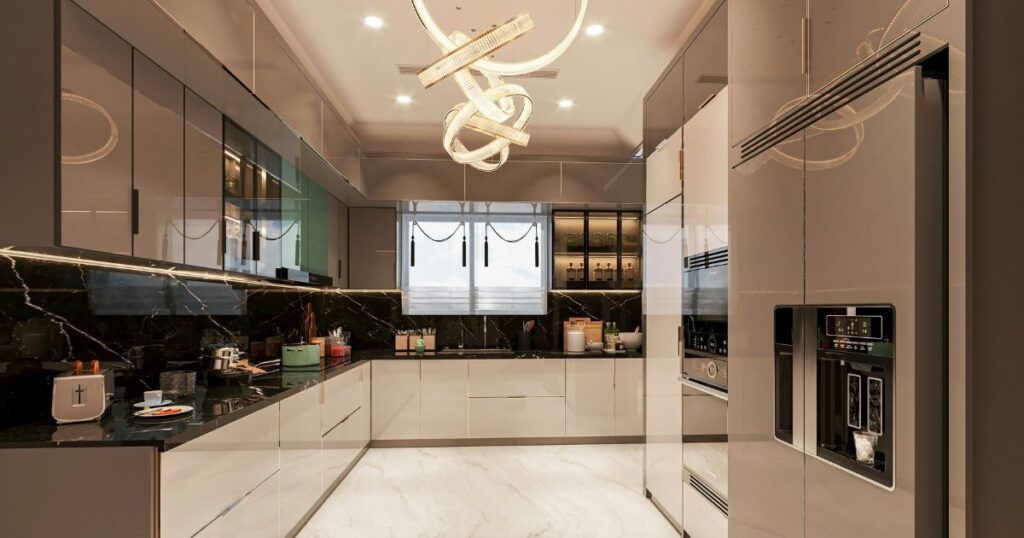
A kitchen remodel is one of the most exciting upgrades you can make—and one of the easiest to underestimate. It’s not just new cabinets and a pretty backsplash. It’s workflow, lighting, storage, electrical, plumbing, ventilation, and a hundred small decisions that affect how your home feels every day.
At Renaissance Remodeling, we help Boise homeowners plan kitchen renovations that look beautiful, function effortlessly, and hold up to real life—kids, pets, gatherings, snow boots by the back door, and the way our Southwest Idaho light changes throughout the seasons. The goal of this guide is simple: give you a clear step-by-step plan, so your kitchen remodel in Boise feels organized, enjoyable, and worth the investment.
How to Plan a Kitchen Remodel Step by Step
Here’s the step-by-step roadmap we use with clients to keep a kitchen renovation on track—from the first “we need to change this” conversation to the final walkthrough.
Step 1: Define what’s not working (and what “better” means)
Start with pain points, not Pinterest. Walk through your kitchen and list what consistently frustrates you:
- Traffic jams near the fridge or sink
- Not enough prep space
- Dark corners and harsh overhead lighting
- Awkward storage (deep cabinets, wasted corners)
- Dining and entertaining that feels cramped
Then define what “better” means for your household. More cooking? More hosting? A quieter, calmer morning routine? A kitchen that connects to an open living area? Clarity here prevents expensive mid-project changes.
Step 2: Set a realistic kitchen remodel budget range
Before you fall in love with finishes, decide your comfort zone. A Boise kitchen remodel budget typically depends on:
- Scope (cosmetic refresh vs. down-to-studs renovation)
- Cabinetry quality and customization
- Appliance tier and layout changes
- Structural work (removing walls, moving plumbing)
- Material choices (countertops, flooring, tile)
- Labor availability and lead times
A smart approach is setting a target range plus a contingency. Remodels involve hidden conditions—especially in older Boise homes—so a buffer can keep decisions calm and intentional.
Step 3: Decide your project scope (cosmetic vs. full renovation)
Not every kitchen needs a full gut. Your scope should match your goals:
- Cosmetic refresh: Paint, fixtures, minor updates—good when layout works and storage is decent.
- Mid-level remodel: New cabinets/counters, updated lighting, improved storage, minimal layout change.
- Full renovation: Layout redesign, new cabinetry, upgraded electrical and plumbing, ventilation, structural changes.
If your kitchen’s daily function is the problem, a full renovation often delivers the best long-term satisfaction.
Step 4: Build your wish list (must-haves vs. nice-to-haves)
Make two lists:
- Must-haves: non-negotiables (better pantry, more seating, improved lighting, etc.)
- Nice-to-haves: “love it” items (coffee bar, beverage fridge, pot filler)
This keeps your decision-making grounded if you need to reallocate budget mid-design.
Step 5: Choose the right remodeling partner (design-build vs. bid-build)
A kitchen remodel is both design and construction—so the team structure matters.
- Bid-build: you hire a designer, then bid out construction separately.
- Design-build (our approach at Renaissance): design and construction are coordinated under one roof.
Design-build usually reduces surprises because the same team designing your kitchen is responsible for building it. That alignment protects your budget, your schedule, and the final craftsmanship.
Step 6: Measure and document your existing kitchen
Even if you hire a professional, it helps to gather:
- Photos from every angle
- Notes on what you want to keep/change
- Measurements (approximate is fine early on)
- Known issues (leaky window, cold floors, poor ventilation)
This becomes your project “baseline” for design conversations.
Step 7: Create a layout that matches how you live
Layout drives everything. A beautiful kitchen that doesn’t flow will feel like a daily annoyance. Consider:
- Prep zone between sink and cooktop
- Clearances around islands (especially in open-concept Boise homes)
- Where backpacks, mail, and groceries naturally land
- Hosting needs: serving space, beverage access, seating
In many Boise kitchens, improving circulation and storage adds more value than chasing the biggest island possible.
Step 8: Select your style direction and finishes
Start with your home’s architecture. A North End home may lean into warm, classic details; a foothills contemporary might call for cleaner lines and strong material contrast. Choose:
- A cohesive cabinet style
- A countertop material that suits your maintenance preferences
- A backsplash and hardware plan that supports the overall look
We recommend building a “finish palette” early so each selection reinforces the rest.
Step 9: Plan lighting like a designer (layers, not one fixture)
Great kitchens use layered lighting:
- Ambient: general ceiling light
- Task: under-cabinet lighting for prep
- Accent: pendants, toe-kick lighting, interior cabinet lighting
Boise gets strong sun and bright seasonal shifts—good lighting design ensures your kitchen looks balanced from morning to evening.
Step 10: Choose appliances early (they drive the design)
Appliance specs affect cabinetry, electrical, ventilation, and clearances. Decide early:
- Range size (30” vs. 36”)
- Built-in vs. freestanding fridge
- Vent hood type and CFM needs
- Microwave placement (drawer, built-in, or under-cabinet)
- Panel-ready options for a seamless look
Appliances aren’t just purchases; they’re design anchors.
Step 11: Confirm cabinetry details (the make-or-break decisions)
Cabinetry is where function lives. Plan:
- Drawer-heavy bases (better ergonomics than deep cabinets)
- Trash/recycling pullouts near prep
- Pantry style (tall cabinets vs. walk-in pantry if space allows)
- Corner solutions (lazy Susan, pullouts, or blind-corner access)
- Soft-close, organizers, and tray dividers
This is also where craftsmanship shows most—precise alignment, consistent reveals, and quality finishes.
Step 12: Finalize materials and performance choices (Boise-friendly)
Choose materials that match lifestyle and climate:
- Durable flooring that handles grit, snow melt, and pets
- Countertops that fit your maintenance tolerance
- Cabinet finishes that resist wear near high-touch areas
- Ventilation that handles cooking and helps indoor air quality
A high-end kitchen should stay beautiful without feeling fragile.
Step 13: Permits, ordering, and the construction schedule
Once design is finalized, the behind-the-scenes work begins:
- Final drawings and permit submission (as required)
- Ordering long-lead items (cabinets, appliances, specialty tile)
- Locking a construction start date
This is where good planning prevents weeks of delay.
Step 14: Prepare your home for the remodel (and reduce stress)
Kitchen remodels impact daily life. We help clients plan:
- A temporary kitchen setup (coffee, microwave, dishwashing plan)
- Dust protection and pathways
- Pet and kid routines during work hours
- Expectations for deliveries and noise
The smoother your home logistics, the more enjoyable the process.
Step 15: Construction walkthrough: what happens in what order
A typical kitchen renovation sequence:
- Protection + demo
- Framing (if needed)
- Rough plumbing, electrical, HVAC
- Inspections (when applicable)
- Drywall + paint
- Flooring (depends on material and scope)
- Cabinet installation
- Countertops templating + install
- Backsplash + finish electrical/plumbing
- Appliances, trim, final details
Understanding the order keeps the project feeling predictable.
Step 16: Final punch list, warranty, and how to protect your investment
The final stage is detail-focused:
- Punch list walkthrough (fit/finish checks)
- Adjustments (doors, drawers, caulk, paint touch-ups)
- Care instructions for materials
- Warranty coverage and support
A premium remodel should come with confidence long after move-in day.
Boise-Specific Planning Tips for Kitchen Remodels
Boise homes are wonderfully varied—historic charm in the North End, mid-century ranches on the Bench, newer builds in Meridian and Eagle, and modern foothills architecture with big views. Planning a kitchen remodel that feels “right” means designing with those realities in mind.
Working with Boise home styles (North End, Bench, Meridian, foothills)
- North End and older neighborhoods: Kitchens may be smaller, with walls that can limit light and flow. Smart solutions include customized storage, thoughtful lighting, and layout improvements that respect the home’s character.
- Boise Bench ranch homes: These often benefit from opening sightlines, improving work triangles, and adding functional islands without crowding circulation.
- Meridian and newer builds: Layouts may be open but storage can still be under-planned. Upgrading pantry function, cabinetry organization, and lighting often makes the biggest impact.
- Foothills and contemporary homes: Clean cabinetry lines, strong material choices, and lighting design make the space feel intentional. Ventilation and appliance planning are especially important in open-concept great rooms.
Climate, light, and durability considerations in Southwest Idaho
Boise seasons are real: hot summers, cold winters, and plenty of outdoor grit. A kitchen that lasts feels “easy” to live in.
- Flooring and entry flow: If your kitchen connects to the backyard or garage, consider how you’ll handle dirt, snow melt, and wet shoes.
- Natural light: Big windows are common in many Boise homes. Choose finishes that won’t look harsh or washed out in strong daylight.
- Ventilation: A properly sized hood keeps cooking odors and grease from traveling through open floor plans, especially in winter when windows stay closed.
Resale perspective in Boise neighborhoods
Even if you’re remodeling for yourself, it’s smart to avoid overly niche decisions that limit appeal. A well-designed kitchen renovation in Boise tends to hold value when it balances personality with timeless structure: quality cabinetry, durable surfaces, and lighting that elevates the whole home.
Kitchen Remodel Timeline and Budget Snapshot
Homeowners often ask two questions first: “How long will this take?” and “What will this cost?” The honest answer is that it depends on scope and selections—but you can plan with confidence if you understand the moving parts.
Typical kitchen remodel timeline (design to completion)
A full kitchen remodel usually includes:
- Design + planning: selections, layout, drawings
- Ordering: cabinetry, appliances, specialty materials
- Construction: demo through final installation
The biggest timeline variable is typically lead times—especially for cabinetry and certain appliances. This is why planning early (and choosing a design-build partner who manages procurement carefully) matters so much.
Budget ranges and what they usually include
Kitchen remodel budgets tend to follow scope:
- Refresh projects: smaller updates, limited trades
- Mid-level remodels: new cabinets/counters, lighting, some upgrades
- Full renovations: layout changes, upgraded systems, premium finishes
Your budget doesn’t just buy materials—it buys project management, skilled labor, protection of your home during construction, and the quality of the final fit and finish.
Where to invest for long-term value
If you want your remodel to feel premium for years, prioritize:
- Cabinetry quality + storage design
- Lighting plan and electrical upgrades
- Countertops that match your lifestyle
- Ventilation and appliance integration
- Craftsmanship details (trim, alignment, paint quality)
A kitchen looks expensive when every detail feels intentional—not when the most expensive item is sitting in an otherwise average plan.
Common Kitchen Remodel Mistakes (and How to Avoid Them)
Most remodeling stress comes from a few predictable issues. Avoid these and your kitchen renovation becomes a much smoother experience.
Design mistakes that feel small—until you live with them
- Not enough clearance around islands: Islands are great, but tight walkways create constant friction.
- Poor lighting: One ceiling fixture can’t do the job. Task lighting changes everything.
- Storage that looks good but doesn’t function: Pretty open shelves aren’t pantry space.
- Forgetting landing zones: You need places for groceries, mail, and small appliances.
Budget and schedule pitfalls
- Starting construction before decisions are finalized: Changing finishes mid-stream can create delays and added costs.
- Underestimating lead times: Specialty tile, cabinets, and appliances can dictate the schedule.
- Skipping contingency planning: Older Boise homes can hide surprises behind walls.
Product selection mistakes that slow down projects
- Choosing appliances late: This can force redesigns of cabinetry, electrical, and ventilation.
- Falling for trends without considering your home: A style should feel natural in your space and neighborhood.
- Picking materials that don’t match how you live: If you don’t want high maintenance, don’t choose high-maintenance finishes.
Why Work with Renaissance Remodeling
The difference between a “fine” kitchen remodel and a truly satisfying one is usually the process: clear planning, thoughtful design, and craftsmanship you can see and feel.
Our collaborative design-build approach
We guide you through layout, selections, and buildability as one coordinated team. That means fewer surprises, better communication, and a plan that’s designed for real construction—not just a pretty concept.
Craftsmanship standards and communication
Premium results come from disciplined details: clean lines, consistent spacing, strong installation, and a site that’s managed respectfully. We also believe homeowners deserve proactive updates so the process feels organized and calm.
What your first consultation looks like
We start with your goals—function, style, timeline, and comfort range—then talk through scope options. You’ll leave with clarity on next steps, not pressure.
A successful kitchen remodel doesn’t happen by luck. It happens when the plan is clear, the design matches how you live, and the build is managed with care. If you take nothing else from this guide, remember this: decisions made early—layout, lighting, cabinetry, appliances—are the ones that protect your budget and deliver that “this just works” feeling every day.
If you’re ready to plan a kitchen remodel in Boise and want a partner who combines design expertise with high-quality craftsmanship, Renaissance Remodeling would be glad to help you map out the right path.