
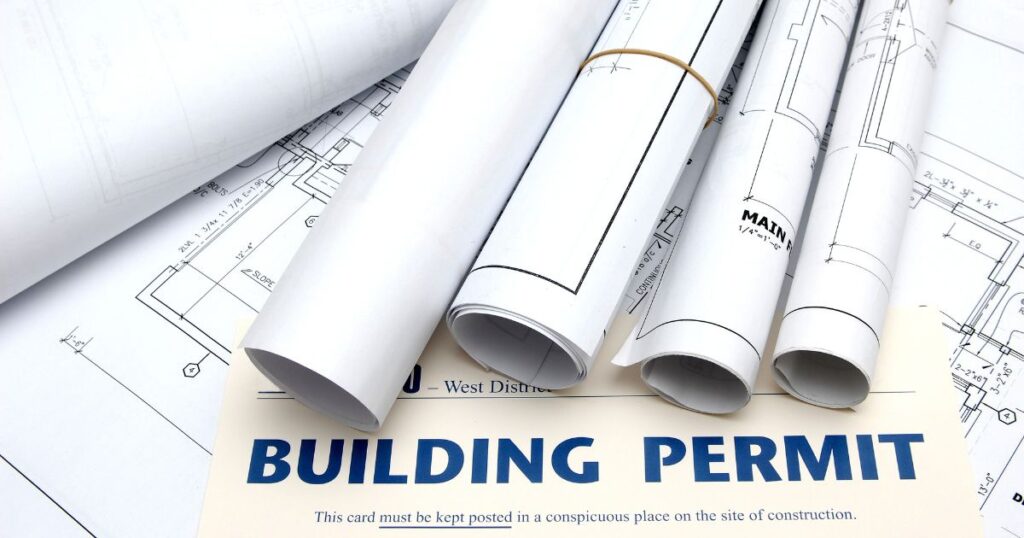
Accessory Dwelling Units—commonly called ADUs—are becoming one of the most sought-after remodeling projects among Boise homeowners. Whether it’s creating a stylish guest suite over the garage, a rentable backyard cottage, or a private in-law apartment, ADUs offer a practical and elegant solution to the age-old problem of needing more space without moving.
But before any construction begins, there’s one essential step that sets the foundation for a successful ADU project: permits.
Permitting might not be the most exciting part of the process, but it’s absolutely critical. At Renaissance Remodeling, we often hear questions like, “Do I really need a permit for this?” or “How long does the process take in Boise?” — and we’re here to clear up the confusion.
In this guide, we’ll walk you through everything you need to know about permitting for ADUs in Boise. From understanding zoning rules to navigating the city’s approval process, you’ll come away informed and empowered to take the next step toward your own beautifully designed ADU.
READ: Thinking About Building an ADU in Idaho? Start With These 5 Essentials
What Is an ADU, and Why Are They Popular in Boise?
Accessory Dwelling Units (ADUs) are self-contained living spaces built on the same property as a primary home. Think of them as mini-homes that typically include a kitchen, bathroom, living area, and sleeping space. They can be detached structures, additions to an existing home, or conversions of a garage or basement.
Types of ADUs
There are several common ADU configurations that fit well within Boise’s diverse range of home styles:
- Detached ADUs: A freestanding structure, often built in a backyard. These are ideal for maximum privacy and flexibility.
- Attached ADUs: Built as an addition to your existing home, such as above a garage or on the side of the house.
- Garage Conversions: Transforming an underused garage into a fully livable space. A smart option for homeowners who want to make the most of their existing footprint.
Boise Trends Driving the Popularity of ADUs
In Boise, ADUs are gaining popularity for good reason:
- Multigenerational Living: Families are increasingly looking for ways to keep aging parents close while still offering independence.
- Rental Income: With Boise’s growing rental market, ADUs provide a legal and desirable way to earn passive income.
- Home Offices & Guest Suites: Remote work has shifted how we use our homes. An ADU can function as a private office, studio, or guest retreat.
Boise’s blend of historic neighborhoods and new developments offers a wide range of opportunities for integrating ADUs seamlessly into a property. Whether you live in the North End or Southeast Boise, there’s a style and solution that can work beautifully with the right design approach.
READ: The Upside of ADUs: How Idaho Homeowners Are Creating Space and Income
Do You Need a Permit for an ADU in Boise?
The short answer? Yes. In almost all cases, building an ADU in Boise requires a range of permits. These aren’t just bureaucratic hoops to jump through — they’re essential for ensuring your new space is safe, legal, and valuable for years to come.
Why Permitting Matters
We get it — permits can feel like a hassle. But skipping them (or trying to cut corners) can lead to major headaches down the line:
- Safety Risks: Permits ensure your electrical, plumbing, and structural work meets modern codes — which protects your family and future occupants.
- Resale Value: When it’s time to sell, unpermitted work can derail deals or lower your home’s appraised value.
- Legal Compliance: Boise has clear zoning and building codes. Going around them could result in fines or being forced to remove the structure.
In short, permitting is how you protect your investment. And with a trusted design-build partner like Renaissance, you don’t have to navigate it alone.
Overview of Boise’s ADU Permit Requirements
Here’s what the City of Boise generally requires before you can build:
- Building permit for the structure itself
- Electrical and plumbing permits if utilities are being added or altered
- Mechanical permit for any HVAC installation
- Site plan and zoning review to ensure your ADU meets Boise’s land use requirements
- Additional reviews if you live in a historic district or environmentally sensitive area
The specifics can vary based on your property, location, and the type of ADU you’re building. That’s why it’s crucial to plan thoroughly and work with a team who understands Boise’s codes inside and out.
Key Permits You’ll Need for an ADU Project
Let’s break down the major permits involved in an ADU remodel so you know what to expect. While Renaissance handles this process on behalf of our clients, understanding each part helps you feel more in control and confident.
Building Permit
This is the core permit for any ADU project. It covers:
- Structural elements like framing, foundation, and roofing
- Insulation, drywall, and fire-rated assemblies
- General code compliance for residential construction
It’s also where your plans get reviewed for alignment with Boise’s residential building standards.
Electrical and Plumbing Permits
Anytime you’re adding a kitchen or bathroom — which most ADUs include — you’ll need separate permits for:
- Electrical systems: Outlets, lighting, panel upgrades
- Plumbing: Water lines, drains, sewer connections, and water heaters
Licensed contractors are required for this work, and multiple inspections are often needed throughout the project.
Mechanical Permit (HVAC)
If your ADU includes heating and cooling (and it should — Boise winters are no joke), you’ll need a mechanical permit. This ensures your HVAC systems are installed safely and efficiently. Whether you’re extending your main home’s system or installing a separate mini-split unit, it needs to be up to code.
Zoning and Land Use Approvals
Before any building permit is issued, your project must meet Boise’s zoning regulations. That means:
- Is your lot zoned for an ADU?
- Does your design meet setback and height requirements?
- Is your proposed use legal under the current zoning rules?
We’ll explore these specifics in the next section.
Site Plan and Design Review (When Applicable)
Some Boise neighborhoods — especially those with historical significance or tight lot lines — may require a site plan review or design approval. This is where we submit drawings showing where your ADU will sit on your property and how it fits with surrounding homes.
Renaissance creates professional, code-compliant site plans that make this step go smoothly — minimizing delays and keeping your project on track.
Boise ADU Zoning Rules You Should Know
Zoning is one of the most important (and often misunderstood) aspects of ADU planning. Before any construction begins, your project must meet the City of Boise’s zoning code — which governs everything from lot size to building height.
Let’s break it down into manageable pieces.
Minimum Lot Size
Not every residential lot in Boise is eligible for an ADU. The first thing the city looks at is the size and zoning of your property.
- Most R-1 zoned residential lots are eligible for an ADU if they meet a minimum lot size of 5,000 square feet.
- The ADU also needs to be smaller than the primary residence and meet certain square footage limits (generally 700–1,000 sq ft depending on the property).
If you’re unsure about your zoning designation, Renaissance can review your site and provide a clear answer up front. It’s part of our due diligence before designing any ADU.
Setbacks, Height Limits, and Design Requirements
This is where thoughtful design comes into play. Boise wants to ensure ADUs don’t negatively impact neighboring homes or disrupt the character of a neighborhood.
Here are the key design-related zoning rules:
- Setbacks: Detached ADUs must typically be at least 5 feet from rear and side property lines. Corner lots may have additional restrictions.
- Height Limits: Detached ADUs are usually limited to 25 feet in height, depending on the zone.
- Size Limits: An ADU can’t exceed 10% of your lot size or a maximum set by the zoning code (usually 700–1,000 sq ft).
- Design Compatibility: Boise encourages ADUs that reflect the architectural style of the main home. Rooflines, materials, and window styles should feel cohesive — something we take seriously in every project.
If you live in a historic district, additional design review may be required to preserve the area’s character. This is another area where Renaissance’s design expertise shines — we know how to blend function with curb appeal.
Parking and Access Considerations
One common concern with ADUs is parking. Boise’s current code includes:
- One off-street parking space required for the ADU (unless you’re within ¼ mile of a frequent transit route — then the requirement may be waived).
- Clear access paths must be maintained to the ADU entrance, whether it’s in a backyard or over the garage.
Smart site planning can make this easy. For example, we often design detached ADUs with alley access where available — a common feature in the North End and East Boise neighborhoods.
Owner Occupancy Rules
Boise used to require that either the primary home or the ADU be owner-occupied, but that rule has evolved.
As of recent updates, Boise has lifted the owner occupancy requirement for many zones, which makes it easier to build an ADU for rental income or future flexibility. However, this may not apply in every situation, especially in neighborhoods with homeowners’ associations (HOAs) or special zoning overlays.
When we handle permitting, we help you confirm the latest requirements — including any applicable HOA rules that could impact your ADU project.
How the Permit Process Works in Boise
Building an ADU in Boise isn’t a weekend DIY project — and for good reason. The City of Boise’s permitting process is designed to ensure projects are structurally sound, meet zoning laws, and fit the neighborhood context.
Here’s what the process typically looks like, and how Renaissance helps you move through it smoothly.
Working with the City of Boise Planning & Development Services
All ADU permits go through Boise’s Planning and Development Services Department (PDS). This is where we submit:
- Site plans
- Architectural drawings
- Utility layouts
- Code compliance documentation
PDS will review your submission for zoning compliance, safety codes, and structural integrity. If your home is in a historic district or environmentally sensitive area (like near the Boise River), additional reviews may be needed.
We act as your advocate during this process — handling all communication with the city and ensuring documentation is submitted correctly and on time.
Timelines, Fees, and Inspection Phases
One of the most common questions we hear is: “How long will the permits take?”
Here’s a general idea:
- Pre-application planning: 1–2 weeks
- Design + site plan preparation: 2–4 weeks
- Permit review time (after submission): 4–6 weeks
- Construction inspections: Scheduled at key milestones throughout the build
Fees will vary based on the size and complexity of your ADU, but typically include:
- Plan check fees
- Permit issuance fees
- Utility connection or impact fees
- Inspection charges
As your design-build partner, Renaissance provides a full breakdown of these costs upfront — no surprises, no guesswork.
Common Delays to Avoid
Even with the best planning, permit delays can happen — but most are avoidable. Here are the top causes of slowdowns (and how we prevent them):
- Incomplete plans: We provide detailed, code-compliant drawings from the start.
- Zoning conflicts: Our team checks your property’s zoning before design even begins.
- Historic district reviews: If your home is in the North End or Warm Springs, we factor in extra time for design approval.
- Utility challenges: We work closely with local utility providers to plan electrical, sewer, and water connections efficiently.
Our goal is to get you from planning to construction without red tape. That’s the benefit of working with a team that’s done this hundreds of times — we know Boise’s process, and we know how to make it seamless.
Why Work with a Design-Build Firm Like Renaissance Remodeling
There are a lot of moving parts when it comes to building an ADU — from zoning rules to architectural planning to construction management. Many homeowners quickly realize this isn’t the kind of project you want to piece together with multiple vendors or manage on your own.
That’s where Renaissance Remodeling brings real value: we take care of the details, while keeping your vision front and center.
We Handle Permitting So You Don’t Have To
Permits in Boise can feel like a maze — and if you miss a step, it can delay your entire project. At Renaissance, we manage all of it:
- Zoning and land-use research
- Pre-application meetings with the city
- Detailed permit-ready construction drawings
- Site plan submission
- Coordination with inspectors and city officials
You never have to stand in a city office line or wonder if your paperwork is correct. We make sure it’s done right the first time, so you can focus on the exciting part — your new space.
Thoughtful Designs That Meet Code and Reflect Your Style
A lot of ADUs end up looking like afterthoughts. Ours don’t.
At Renaissance, we believe that an ADU should feel like a natural extension of your home — both in style and quality. Our design team takes time to understand your home’s architecture, your goals, and your lifestyle.
That means:
- Designing spaces that enhance your property’s value
- Using materials that blend with your existing home
- Creating layouts that are efficient, comfortable, and code-compliant
- Prioritizing natural light, smart storage, and long-term livability
Whether you want a cozy rental unit, a guest retreat, or a modern backyard studio, we create designs that are as practical as they are beautiful.
A Stress-Free Process with Expert Guidance at Every Step
We understand the biggest concern homeowners have isn’t about finishes or square footage — it’s about the process.
- Will it take too long?
- Will it go over budget?
- Will I have to chase contractors and manage everything myself?
Our answer: absolutely not.
Renaissance Remodeling uses a proven design-build approach that’s tailored to Boise homeowners. From day one, you’ll have a dedicated project manager and designer guiding you through:
- Feasibility and zoning research
- Design and material selections
- Permit approvals
- Construction management
- Final inspections and walkthroughs
What you deserve is clear communication and professional execution — from concept to completion.
Designing and building an ADU in Boise can open up incredible opportunities — whether it’s adding space for family, creating a quiet home office, or generating steady rental income. But the success of your project hinges on one thing: doing it right from the beginning.
That means understanding Boise’s zoning and permitting requirements, having a well-thought-out design that fits your property and lifestyle, and working with a team who knows how to get the job done smoothly.
At Renaissance Remodeling, we bring decades of experience in high-quality design, construction, and local code compliance — all tailored to the unique needs of Boise homeowners. Our approach isn’t just about building structures; it’s about creating long-term value and spaces you’ll love living in.
If you’re thinking about adding an ADU to your property — or just want to explore what’s possible — we’d love to help.
Let’s design something exceptional together. Contact Renaissance Remodeling to schedule your consultation today by clicking here.