
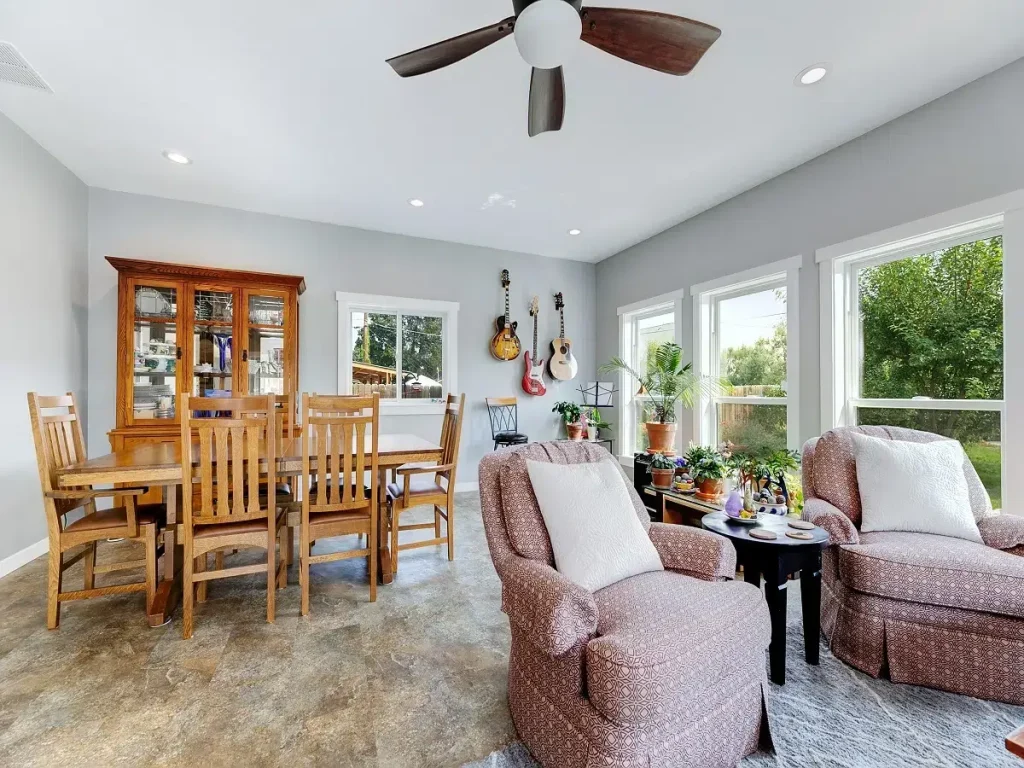
Planning a home remodel can be exciting until all the decisions begin piling up. Budget, layout, materials, contractors, timelines, permits, and everyday living arrangements can quickly make a project that started with inspiration feel much more complicated.
The solution is not to make every decision immediately. A successful home remodel starts with a thoughtful plan that connects your priorities, budget, design, and construction process before work begins, giving you more confidence in both the experience and the finished home.
How Do You Plan for a Home Remodel?
The best way to plan for a home remodel is to first identify what is not working in your home, establish a realistic investment range, define the scope, complete the design, select materials early, and build a timeline around those decisions. From there, choosing an experienced remodeling partner can help turn those ideas into a coordinated construction plan while reducing costly changes and avoidable delays.
For Boise homeowners, good remodeling planning is especially important because every house brings a different set of opportunities. A North End home may need careful updates that preserve its original character, while a home on the Boise Bench may benefit from a more substantial layout change, and a newer home may simply need a kitchen or primary bathroom that better reflects the owners’ style and lifestyle.
The goal is not just to make a house look newer. The goal is to create a home that works better, feels more intentional, and delivers the quality you expect every day after the remodeling crews are gone.
Start With the Problems You Want Your Remodel to Solve
One of the easiest ways for a remodeling project to lose direction is to start with finishes instead of function. Beautiful tile and cabinetry matter, but they cannot fix a kitchen that is difficult to move through or a bathroom that lacks the storage your family actually needs.
Before thinking about colors or fixtures, identify the frustrations that prompted the remodel in the first place. Perhaps the kitchen feels disconnected from the living area, the primary bathroom feels cramped, storage is constantly overflowing, or several disconnected renovations have left the whole house without a consistent design.
Those problems give the project its purpose. Once they are clearly defined, every design decision can be measured against a simple question: does this make the home work better?
READ: Whole-Home Remodel vs. Room-by-Room: What’s Better For You?
Focus on Function Before Finishes
In a kitchen remodel, improving function might mean creating better spacing between work areas, adding an island with useful storage, improving pantry organization, or creating a stronger connection between the kitchen and entertaining spaces. The countertops, cabinetry, lighting, and flooring can then support that layout instead of trying to compensate for a poor one.
Bathroom remodeling works the same way. Before choosing tile, consider circulation, vanity storage, lighting, shower size, privacy, and how the room needs to function during a busy morning.
Think About How Your Home Needs to Work in the Future
A remodel should solve today’s frustrations without creating new ones a few years from now. Families change, routines evolve, children get older, entertaining habits shift, and homeowners often begin thinking more seriously about long-term comfort.
That might mean creating a kitchen with enough gathering space for a growing family, improving a main-level bathroom, adding flexible rooms that can change uses over time, or designing storage that keeps everyday clutter under control. Good remodeling design considers not just how your home works now, but how you are likely to use it five or ten years from now.
Set a Realistic Budget Before You Finalize the Scope
Budget uncertainty is one of the biggest sources of stress in home remodeling. Homeowners sometimes begin planning around individual products they like without understanding how cabinetry, labor, structural changes, electrical work, plumbing, flooring, lighting, appliances, and finishing details affect the total project.
A better approach is to establish an investment range early and design within it. This gives your remodeling team a useful framework for recommending where to invest, where simpler choices may be perfectly appropriate, and which ideas could push the project beyond your comfort level.
Think in Terms of Investment, Not Just a Target Number
Quality remodeling is not simply a collection of materials. The investment also supports skilled craftsmanship, careful project planning, experienced trade partners, proper preparation, professional installation, communication, and the details that allow the finished space to hold up well over time.
This is especially important in kitchens, bathrooms, and whole-home renovations, where much of the critical work ends up behind walls or underneath finished surfaces. Saving money on something homeowners never see can still affect how well the finished remodel performs.
Leave Room for the Unexpected
Even with excellent planning, existing homes can reveal conditions that were impossible to fully evaluate before demolition. Older wiring, plumbing, framing inconsistencies, previous remodeling work, or hidden moisture issues can occasionally require additional attention.
A thoughtful budget includes some flexibility for those discoveries rather than committing every available dollar to finishes. Your remodeler should also explain how unforeseen conditions and potential change orders are handled so there are fewer surprises once construction is underway.
Define the Scope Before Design Decisions Start Adding Up
A remodeling project often grows because one improvement naturally connects to another. Opening the kitchen may affect flooring in an adjacent room, changing cabinetry may expose lighting opportunities, and remodeling a primary bathroom may lead homeowners to reconsider the adjoining bedroom or closet.
There is nothing wrong with expanding a project when it makes sense. The important part is defining those decisions during planning instead of discovering them halfway through construction.
Kitchen and Bathroom Remodels
For a kitchen remodel, determine early whether you are keeping the basic layout or making architectural changes. Moving walls, relocating plumbing, adding larger windows, changing exterior doors, or modifying structural elements creates a very different project from replacing cabinets and finishes within the existing footprint.
The same applies to a bathroom remodel. Moving a shower, enlarging the room, changing plumbing locations, adding heated flooring, improving ventilation, or modifying windows should all be considered before the design is finalized.
Whole-Home Renovations
Whole-home remodeling requires an even clearer hierarchy of priorities. Rather than treating each room as a separate project, look for opportunities to create consistency in flooring, trim, cabinetry details, lighting, paint colors, hardware, and architectural features.
This is where professional design guidance becomes especially valuable. A well-planned whole-home renovation should feel cohesive when it is complete, not like several unrelated remodels happened at the same time.
READ: Remodeling vs Moving in 2026: Boise Homeowner’s Guide
Build a Complete Design Plan Before Construction Begins
One of the best ways to create a smoother remodeling experience is to make major design decisions before demolition. Designing during construction tends to create pressure, and rushed decisions can affect the budget, schedule, or quality of the final result.
A completed design gives homeowners and contractors a shared vision. It also allows important details to be coordinated before crews are waiting for answers in the field.
Design for the Character of Your Boise Home
Boise has an interesting mix of historic homes, mid-century properties, established suburban neighborhoods, and newer construction. A successful remodel does not need to copy the original design of the house, but it should feel like the new spaces belong there.
In an older home, that might mean respecting existing proportions and architectural details while introducing modern functionality. In a newer Boise home, the opportunity may be to replace builder-standard finishes with more distinctive cabinetry, natural materials, better lighting, custom storage, and architectural details that give the house more personality.
Thoughtful design creates a balance between what feels current and what will still feel appropriate years from now. High-quality materials and a restrained palette often age more gracefully than design choices selected mainly because they are trending at the moment.
Make Material and Finish Selections Early
Cabinetry, countertops, tile, plumbing fixtures, appliances, lighting, flooring, and specialty products can all have different ordering and delivery timelines. Waiting until construction begins to make those selections can create unnecessary scheduling problems.
Selecting materials earlier also helps the entire room come together as a design. Instead of choosing each product independently, you can compare color, texture, scale, durability, maintenance, and cost as part of one coordinated plan.
Consider Boise-Specific Remodeling Conditions
Homes in Boise are shaped by different construction eras, lot sizes, neighborhood styles, and previous renovations. Those factors can influence what is possible and how much work is required to accomplish the design you have in mind.
Local experience helps because a remodel should respond to the house that actually exists, not simply reproduce an inspirational photo. What works beautifully in one home may require a very different solution in another.
Older Homes Can Reveal Hidden Conditions
Older Boise houses can have tremendous character, but renovations sometimes uncover outdated electrical systems, aging plumbing, unconventional framing, previous additions, or layers of remodeling completed decades apart. These conditions do not necessarily make a remodel impractical, but they make careful evaluation and planning more important.
When structural, plumbing, electrical, or substantial layout changes are involved, permitting and inspections may also become part of the process depending on the scope. Working with an experienced Boise remodeling contractor helps homeowners understand those requirements and account for them before construction is well underway.
Design for Idaho’s Climate and Everyday Lifestyle
Boise’s seasonal temperature changes also make comfort and energy performance worth considering during a major renovation. When walls, windows, exterior doors, insulation, or mechanical systems are already being affected, it may be a good opportunity to evaluate improvements that make the home more comfortable throughout the year.
Lifestyle matters just as much as climate. Many Boise homeowners want kitchens that make entertaining easier, mudroom-style storage for active households, comfortable indoor-outdoor connections, durable surfaces, and flexible spaces that support both family life and time at home.
A beautiful remodel becomes much more valuable when it also makes those everyday routines easier.
Build a Remodeling Timeline Around Decisions, Not Just Construction
Homeowners naturally want to know how long construction will take, but the construction schedule is only one part of the remodeling timeline. Design development, selections, estimating, engineering when required, permits, material ordering, trade coordination, and preconstruction planning all happen before the first major day of demolition.
Trying to shorten that planning period too aggressively can create delays later. Investing time in preparation often makes the construction phase more predictable because fewer important questions are being answered on the fly.
Give Design and Preconstruction Enough Time
Cabinetry is a good example of why early planning matters. Because cabinets influence appliance placement, countertops, lighting, electrical locations, plumbing, and circulation, finalizing them late can hold up several other decisions.
The same principle applies throughout a renovation. The more decisions that are coordinated before construction, the easier it becomes to sequence the work efficiently and protect the quality of the finished result.
Plan for Daily Life During the Remodel
A major renovation will affect your routine, particularly during a kitchen remodel or whole-home renovation. Before construction starts, talk with your remodeling team about working hours, access, dust control, temporary kitchen arrangements, pets, children, parking, and which areas of the home will remain usable.
You should also understand how project updates will be communicated. Knowing who to contact, when decisions are needed, and how schedule changes are shared can make the remodeling experience significantly less stressful.
Choose a Boise Remodeling Partner Who Can Guide the Entire Process
Choosing a remodeling company should involve more than comparing a few bottom-line estimates. You are inviting a team into your home to manage a substantial investment, coordinate numerous details, and execute work that you may live with for decades.
Look for a partner who asks thoughtful questions before proposing solutions. A strong remodeling team should want to understand how you live, what is frustrating you, what you value in design, and what a successful finished project looks like from your perspective.
Look Beyond the Lowest Estimate
Two remodeling proposals can look similar while including very different levels of planning, craftsmanship, material quality, site protection, supervision, and design support. A lower initial number is not especially valuable if important parts of the project have been left undefined and appear later as additional costs.
Ask what is included, what remains undecided, how allowances are handled, who manages the project, and how changes are documented. Clear expectations at the beginning make it easier to evaluate value rather than simply comparing prices.
Communication Should Be Part of the Service
An enjoyable remodeling experience depends heavily on communication. Homeowners should not feel like they have to chase down information about the next step or wonder who is responsible for an important decision.
At Renaissance Remodeling, we believe the planning and construction experience deserves the same attention as the finished space. Our role is to collaborate with homeowners, guide design decisions, coordinate the details, and deliver high-quality craftsmanship with a process that feels organized and considered from beginning to end.
What Should Be Decided Before Your Home Remodel Begins?
Before construction begins, you should have a clear understanding of your project’s goals, overall scope, design direction, major material selections, expected investment, anticipated schedule, and how communication will work throughout construction. Important architectural, cabinetry, appliance, plumbing, lighting, flooring, tile, and finish decisions should also be coordinated as early as practical.
You do not need to become a remodeling expert before starting your project. You simply need a planning process that brings the right decisions forward at the right time, along with an experienced team that can explain the implications of those decisions clearly.
A Better Remodel Starts With Better Planning
The biggest remodeling problems are often not caused by a lack of good ideas. They come from making important decisions too late, starting construction without enough design development, underestimating the relationship between scope and budget, or choosing a contractor without understanding how the project will actually be managed.
Good planning solves much of that. When the design, investment, materials, timeline, and construction strategy are coordinated before work begins, homeowners can move into their remodel with much more confidence and spend less time reacting to surprises.
For Boise homeowners, that preparation also creates room for something more enjoyable: thinking about what your home could become. A kitchen can finally have the gathering space your family has been missing, a bathroom can become calmer and more functional, and a whole-home renovation can make an existing house feel completely aligned with the way you want to live.
If you are considering a kitchen remodel, bathroom renovation, or whole-home remodel in Boise, the planning stage is the right time to start a conversation. Renaissance Remodeling can help you evaluate your space, clarify your priorities, develop a thoughtful design, and create a remodeling plan built around quality rather than shortcuts.
The best finished homes usually begin long before construction starts. With careful planning, collaborative design, skilled craftsmanship, and an experienced remodeling partner, you can create a home that feels better to live in now and remains a source of pride for years to come.